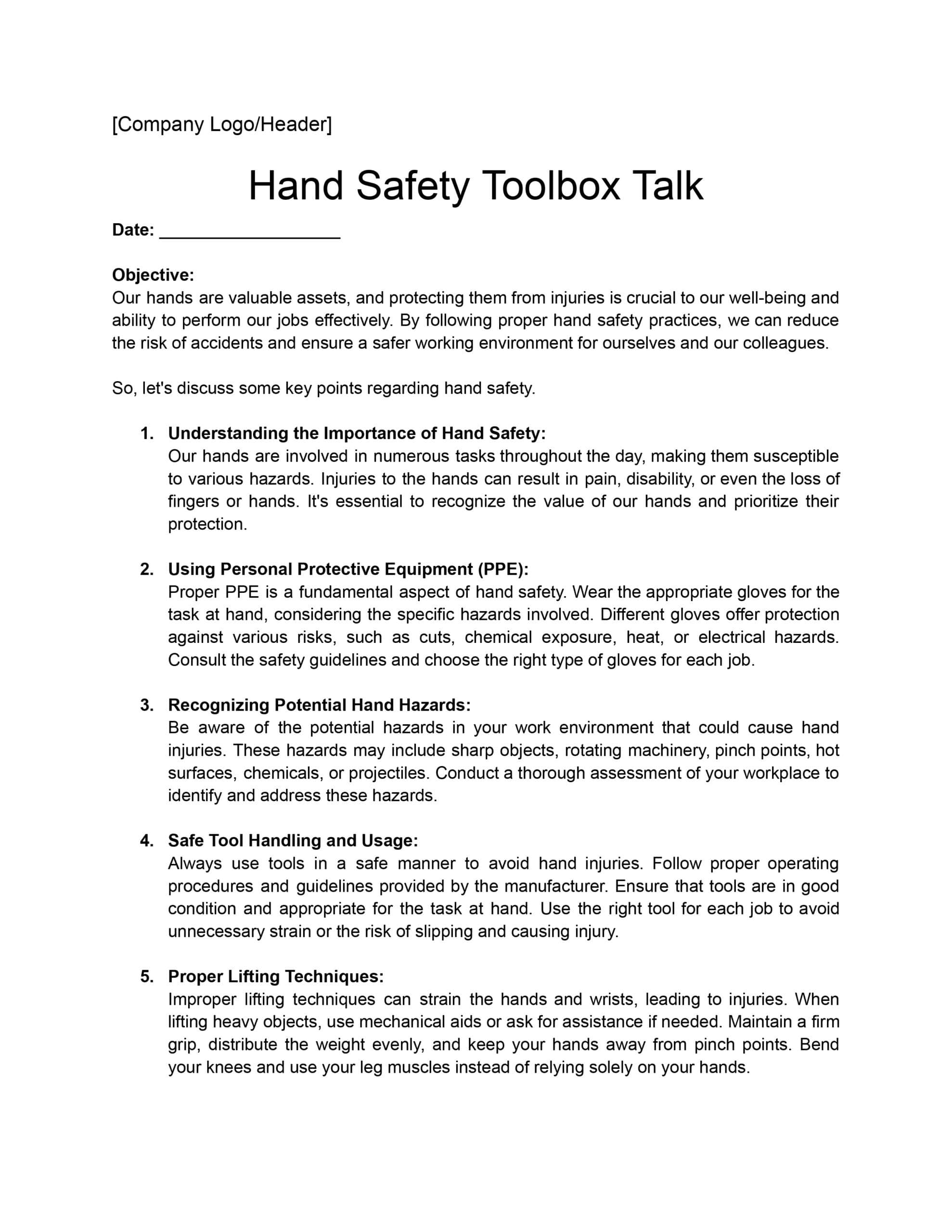
Growing up on screen should be a dream. For many young actors, it became a performance with no off switch. Maitland Ward, once a familiar face on The Bold and the Beautiful and Disney Channel’s Boy Meets World, has pulled back the curtain on an industry that treats young talent like interchangeable parts in a factory. Her candid revelations expose a system where image, control, and profit overshadow well-being—leaving emotional scars long after the credits roll.
This isn’t just a story about one actress. It’s a pattern repeated across decades: young performers molded, marketed, and discarded when they no longer fit the mold. Ward’s experience reveals how Hollywood systematically commodifies youth, turning children into products before they’ve even formed their identities.
The Disney Pipeline: Grooming Talent for Mass Consumption
Disney has long been the golden gate to childhood stardom. With its squeaky-clean image and global reach, the network offers families a sense of safety. But behind the wholesome veneer lies a well-oiled machine designed to maximize exposure and revenue.
Ward entered the industry as a teenager, landing a recurring role on Boy Meets World at 17. By her account, the environment wasn’t nurturing—it was transactional. Scripts were tightly controlled, appearances policed, and personal lives monitored. “You’re not seen as a person,” she said in a 2023 interview. “You’re a brand extension.”
Other former stars echo this sentiment. Demi Lovato, Selena Gomez, and Jamie Lynn Spears have all spoken about the pressure to maintain an image that often conflicted with their real lives. For many, the “Disney Curse” isn’t a superstition—it’s a consequence of being thrust into adulthood without support systems.
The network’s standard contracts often included morality clauses, public appearance mandates, and strict social media guidelines—long before social platforms even existed. These weren’t protections; they were control mechanisms disguised as professionalism.
Hollywood’s Product Mindset: When Image Trumps Identity
Ward’s critique cuts deeper than Disney. She describes the broader entertainment industry as a “Hollywood factory,” where young actors are processed like inventory. Casting directors seek specific archetypes: the cute best friend, the nerdy sidekick, the rebellious teen. Once cast, actors are expected to embody these roles—on screen and off.
This product mindset leads to several troubling outcomes:
- Typecasting: Young actors are rarely allowed to evolve. Ward struggled to land serious roles after Boy Meets World because casting agents saw her only as “Rachel from the sitcom.”
- Emotional strain: Being treated as a prop can erode self-worth. Without agency over their careers, many young stars develop anxiety, depression, or substance issues.
- Lack of career planning: Few receive financial or vocational guidance. When contracts expire or shows end, many are left unprepared for the real world.
Ward realized she had been trained to please producers, not to grow as an artist. “No one asked what I wanted,” she said. “They told me what to wear, what to say, even how to smile.”
The result? A generation of performers who feel replaceable. When one star “ages out,” another is waiting in line—prepped, polished, and ready to fill the slot.
From Child Star to Industry Critic: Maitland Ward’s Pivot
Ward’s career shift shocked many. After leaving mainstream television, she reinvented herself in the adult entertainment industry—a move that sparked controversy but also gave her unprecedented creative control.
In interviews, she’s framed the decision as one of autonomy. “For the first time, I was calling the shots,” she said. “I negotiated my contracts, chose my scenes, and owned my image.”
This contrast is critical. In traditional Hollywood, Ward had little say over her roles, wardrobe, or public persona. In her new career, she operates as both performer and producer—an experience she describes as liberating.
Her journey underscores a harsh truth: for many young actors, true empowerment only comes after leaving the system that once profited from them.
Critics have questioned her choices, but Ward remains unapologetic. “I went from being a product to being a business,” she said. “That’s progress.”
The System’s Blind Spots: What Hollywood Ignores
Despite public awareness of child star struggles, systemic changes remain minimal. Studios prioritize continuity and brand safety over psychological well-being. On-set therapists? Rare. Career transition programs? Nearly nonexistent.
Child labor laws offer some protection, but loopholes abound. In California, for instance, Coogan laws require a portion of a minor’s earnings to be placed in a trust—yet enforcement is inconsistent. Many young actors still find their finances mismanaged or depleted by the time they reach adulthood.
Meanwhile, the emotional toll continues. Former stars like Lindsay Lohan, Corey Feldman, and Britney Spears have detailed years of manipulation, isolation, and exploitation. Their stories aren’t outliers. They’re symptoms of a culture that values output over humanity.
Even with increased scrutiny, the industry resists structural reform. Why? Because the factory model works—financially. Child actors generate billions in merchandise, licensing, and streaming revenue. As long as profits flow, incentives to change remain weak.
Real Stories, Real Damage: Beyond the Headlines
Ward’s experience isn’t unique. Consider these real-world examples:
- Dylan Sprouse has spoken about losing his sense of identity during his Disney years, saying he didn’t know who he was outside of “Zack Martin.”
- Raven-Symoné described being told to hide her Black identity to appeal to broader audiences, illustrating how image control extends beyond age and into race and sexuality.
- Josh Peck detailed years of addiction fueled by childhood fame, calling his early career “emotionally stunting.”
These aren’t tales of spoiled celebrities. They’re accounts of young people navigating adult pressures without adult support. Many were homeschooled on set, socializing primarily with crew and handlers. Their peer groups were artificial, relationships transactional, and personal development stunted.
The long-term effects are clear: difficulty forming authentic relationships, identity confusion, and chronic anxiety. Some, like Ward, eventually reclaim their power. Others spend years in recovery.
Why the “Product” Label Matters
Calling young actors “products” isn’t hyperbole—it’s a recognition of how the system operates. Studios invest in appearances, not people. They market personas, not potential. And when the market shifts, so do the contracts.
This framing has real implications:

- Contractual imbalance: Minors can’t legally sign binding agreements, yet they’re expected to fulfill adult-level commitments. Guardians often sign on their behalf, but conflicts of interest are common.
- Brand dependency: Young actors become tied to a single image. When that image fades, so does their marketability.
- Burnout before maturity: By their early 20s, many former child stars have already endured decades of public scrutiny, leading to emotional exhaustion.
Ward’s willingness to name this dynamic is rare—and necessary. Until the industry acknowledges that young performers are human beings first, the cycle will continue.
A Path Forward: Reimagining Young Talent Development
Change is possible—but it requires intention. Here’s what a healthier system could look like:
- Mandatory financial education: All young actors should receive guidance on money management, trust accounts, and long-term planning.
- Independent advocates: Instead of relying on parents or managers, minors could have court-appointed representatives focused solely on their well-being.
- Mental health support: On-set therapists and post-show transition programs should be standard.
- Creative mentorship: Programs that help young actors explore writing, directing, or producing could foster long-term careers beyond performing.
- Transparency in contracts: Clear language and third-party reviews could prevent exploitative agreements.
Some progress is emerging. The California Senate has proposed updates to Coogan laws, including stricter oversight of trust funds. Nonprofits like A Minor Consideration advocate for child performer rights. But these efforts remain fragmented.
True reform demands systemic accountability—not PR-friendly policies that look good on press releases.
Closing: Reclaiming Humanity in the Spotlight
Maitland Ward’s story isn’t about scandal. It’s about survival. Her journey from Disney star to outspoken critic highlights a fundamental truth: no child should be treated as a disposable asset.
The entertainment industry thrives on dreams—but it shouldn’t consume them. Young actors deserve respect, agency, and the chance to grow beyond their first role.
For parents, agents, and studios, the message is clear: prioritize people over products. For fans, it’s a call to see stars not as characters, but as complex individuals navigating an unforgiving system.
Ward’s voice adds weight to a growing chorus demanding change. The question isn’t whether Hollywood can evolve—it’s whether it will before another generation pays the price.
FAQ
What show was Maitland Ward on? Maitland Ward played Rachel McGuire on the ABC sitcom Boy Meets World from 1996 to 2000.
Why did Maitland Ward leave mainstream acting? She struggled with typecasting and lack of creative control, leading her to transition into adult entertainment where she gained ownership over her career.
Did Maitland Ward win any awards for her acting? She was nominated for Young Artist Awards during her time on Boy Meets World.
What does Maitland Ward say about Disney’s treatment of child stars? She’s criticized the industry for treating young actors like products, with little regard for their personal growth or mental health.
Is Maitland Ward still acting? Yes, she continues to work in film and television, primarily in adult entertainment, and also produces her own content.
Has Disney responded to allegations about child star treatment? Disney has not issued a direct response to Maitland Ward’s comments, though the company has updated some child performer policies in recent years.
What can be done to protect young actors in Hollywood? Stronger legal protections, independent advocacy, financial education, and mental health support are essential to safeguarding young talent.
FAQ
What should you look for in Maitland Ward Exposes Hollywood’s Child Star Factory? Focus on relevance, practical value, and how well the solution matches real user intent.
Is Maitland Ward Exposes Hollywood’s Child Star Factory suitable for beginners? That depends on the workflow, but a clear step-by-step approach usually makes it easier to start.
How do you compare options around Maitland Ward Exposes Hollywood’s Child Star Factory? Compare features, trust signals, limitations, pricing, and ease of implementation.
What mistakes should you avoid? Avoid generic choices, weak validation, and decisions based only on marketing claims.
What is the next best step? Shortlist the most relevant options, validate them quickly, and refine from real-world results.