Most strategy games don’t just ask you to act—they demand you think. On PC, where precision, control, and depth converge, strategy games aren’t just popular; they’re foundational. Unlike console adaptations or mobile cash grabs, true PC strategy titles leverage mouse-driven precision, complex UIs, and layered mechanics to deliver experiences that challenge both reflexes and intellect.
Yet, with hundreds of options across Steam, GOG, and the Epic Store, finding the right strategy game can feel like waging war without reconnaissance. Many players either settle for surface-level tactics or abandon the genre after a frustrating learning curve. The real issue isn’t availability—it’s curation. What separates a fleeting time-waster from a genre-defining classic?
The answer lies in depth, balance, and long-term engagement. This guide cuts through the noise and identifies PC strategy games that reward patience, planning, and adaptability—whether you're commanding armies in real time or shaping civilizations across centuries.
---
Why PC Dominates the Strategy Genre
No other platform offers the same degree of control, customization, and mod support as PC when it comes to strategy gaming. The mouse and keyboard setup allows for rapid unit selection, precise map navigation, and multitasking that’s essential in real-time scenarios. Keyboard shortcuts, bindable commands, and multi-monitor setups give experienced players a tangible edge.
Beyond hardware, PC strategy games benefit from expansive modding communities. Titles like Civilization or Stellaris have lifespans measured in decades because players continuously reinvent them—adding new units, overhauling mechanics, or introducing entire alternate histories.
Consider Crusader Kings III. Without mods, it’s a deep grand strategy sim. With mods, it can become a full-scale Game of Thrones simulator, a modern political sandbox, or even a dinosaur-dominated alternate Earth. That flexibility simply isn’t possible on closed platforms.
PC also supports the kind of complex UIs that strategy games need. Overhead resource management, detailed tech trees, and layered diplomacy systems require screen real estate and navigational fluidity—something PC delivers better than any alternative.
---
Real-Time Strategy: Fast Thinking, Faster Clicking
Real-time strategy (RTS) games force you to build, manage, and fight simultaneously. There's no pause button—only adaptability.
The best RTS titles reward not just mechanical skill, but strategic foresight. You must balance economy, scouting, unit composition, and timing attacks—often across multiple fronts.
StarCraft II: The Gold Standard
StarCraft II remains the pinnacle of competitive RTS design. With three asymmetrical factions—Terran, Zerg, and Protoss—each playing completely differently, the game demands deep knowledge and quick decision-making.
- Terran: Flexible, defensive, and tech-heavy. Excels in hit-and-run tactics.
- Zerg: Fast, cheap units. Relies on swarm tactics and macro management.
- Protoss: High-cost, high-power units. Strong early game, weak economy.
What makes StarCraft II endure is its competitive scene and free-to-play campaign. You can jump in, learn the mechanics, and climb the ladder without spending a cent. It’s also a benchmark for esports, where professional players execute hundreds of actions per minute (APM) with surgical precision.
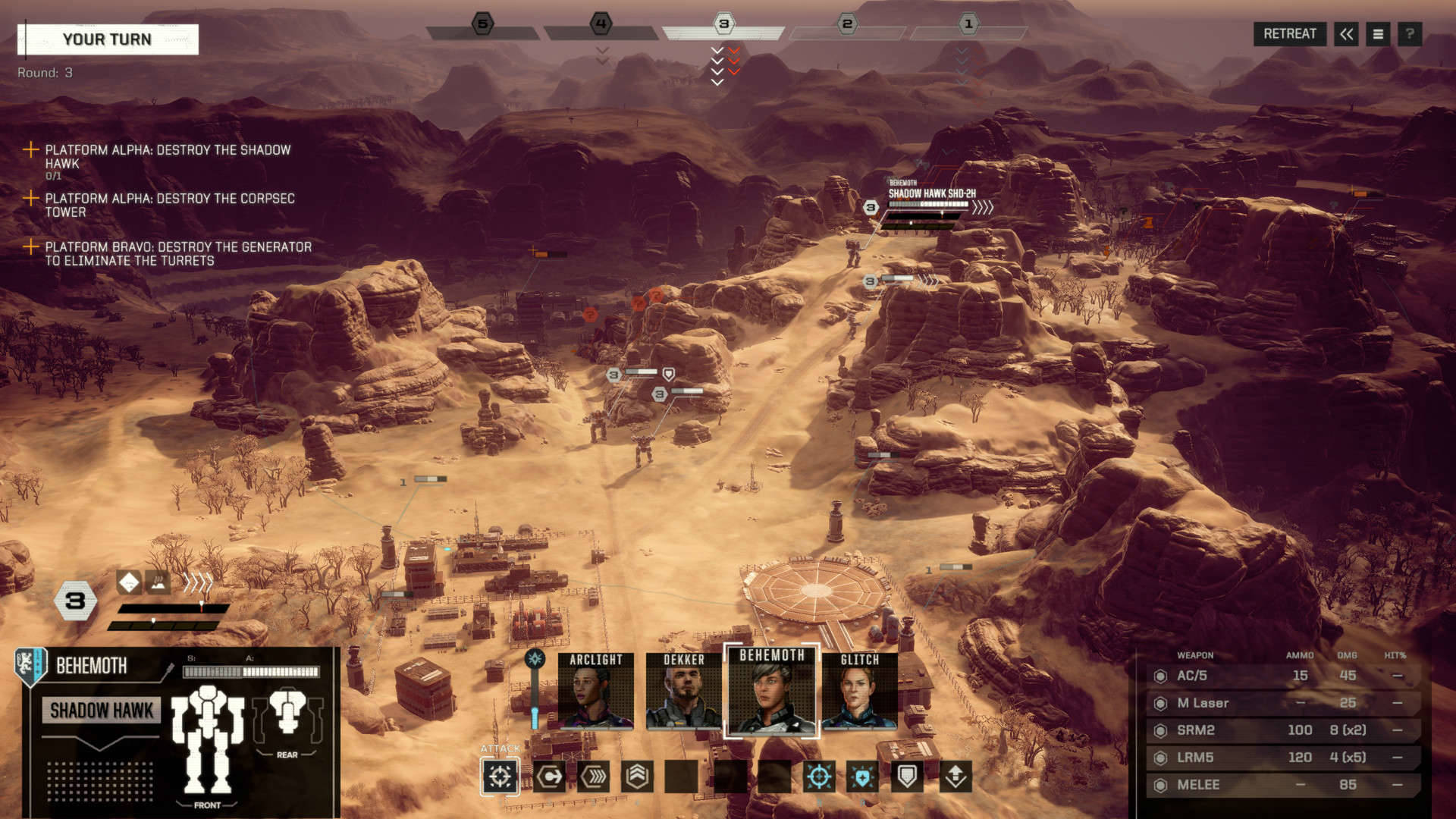
Common Mistake: New players often hyper-focus on combat and neglect macro (resource gathering and production). In RTS, economy wins wars. If you’re not constantly building workers and expanding, you’re already behind.
---
Turn-Based Strategy: Think Ahead, Win
Later
Turn-based strategy (TBS) games give you time to breathe—but that doesn’t mean they’re easier. They often require deeper planning and long-term foresight.
These games are ideal for players who enjoy chess-like decision-making, where one bad move can unravel a 50-hour campaign.
Civilization VI: Empire in Slow Motion
Civilization VI is the quintessential "just one more turn" game. You guide a civilization from the ancient era to the space age, managing culture, science, religion, diplomacy, and warfare.
Key mechanics: - Tile-based city expansion: Cities grow outward, creating strategic placement dilemmas. - Governors and policy cards: Customize your empire’s strengths and adapt to threats. - Tech and civic trees: Dual progression paths that open new strategies.
Success isn’t just about conquest. You can win through science (launching a Mars mission), culture (attracting tourist cities), or diplomacy (UN election). This variety keeps gameplay fresh across multiple playthroughs.
Workflow Tip: Use city specialization early. One city focuses on science, another on production, another on culture. Don’t spread improvements evenly.
---
Grand Strategy: Playing God
with
Nations
Grand strategy games simulate entire nations, economies, and diplomatic systems. They’re slower, denser, and often more intimidating—but immensely rewarding.
These are games where moving a single army can take minutes of planning, and a single decision can spark a world war.
Europa Universalis IV: Rewrite History
Europa Universalis IV lets you control any nation from 1399 to 1821. Want to prevent the Fall of Constantinople? Keep the Holy Roman Empire intact? Colonize the world as the Mali Empire?
It’s all possible.
The game thrives on emergent storytelling. A minor border dispute escalates into a 30-year war. A marriage alliance collapses due to a random event. A plague wipes out half your population mid-campaign.
Mechanics like trade nodes, vassal management, and religious conversion add layers of depth. But the real magic is in the sandbox freedom. There are no wrong ways to play—only consequences.
Limitation: The UI is notoriously clunky. New players often feel overwhelmed. Use the in-game encyclopedia and community guides (like the excellent EU4 Wiki) to stay oriented.
---
Tactical Strategy: Precision Over Power
Tactical strategy games zoom in from the macro to the micro. Instead of managing nations, you command squads—often in grid-based, combat-focused scenarios.
These games emphasize positioning, cover, and ability synergy.
XCOM 2: Every Move Matters
In XCOM 2, you lead a resistance force against an alien occupation. Each soldier is named, equipped, and can die permanently.
The game blends turn-based combat with base management. You run a mobile command center, send out covert ops, research alien tech, and manage soldier fatigue.
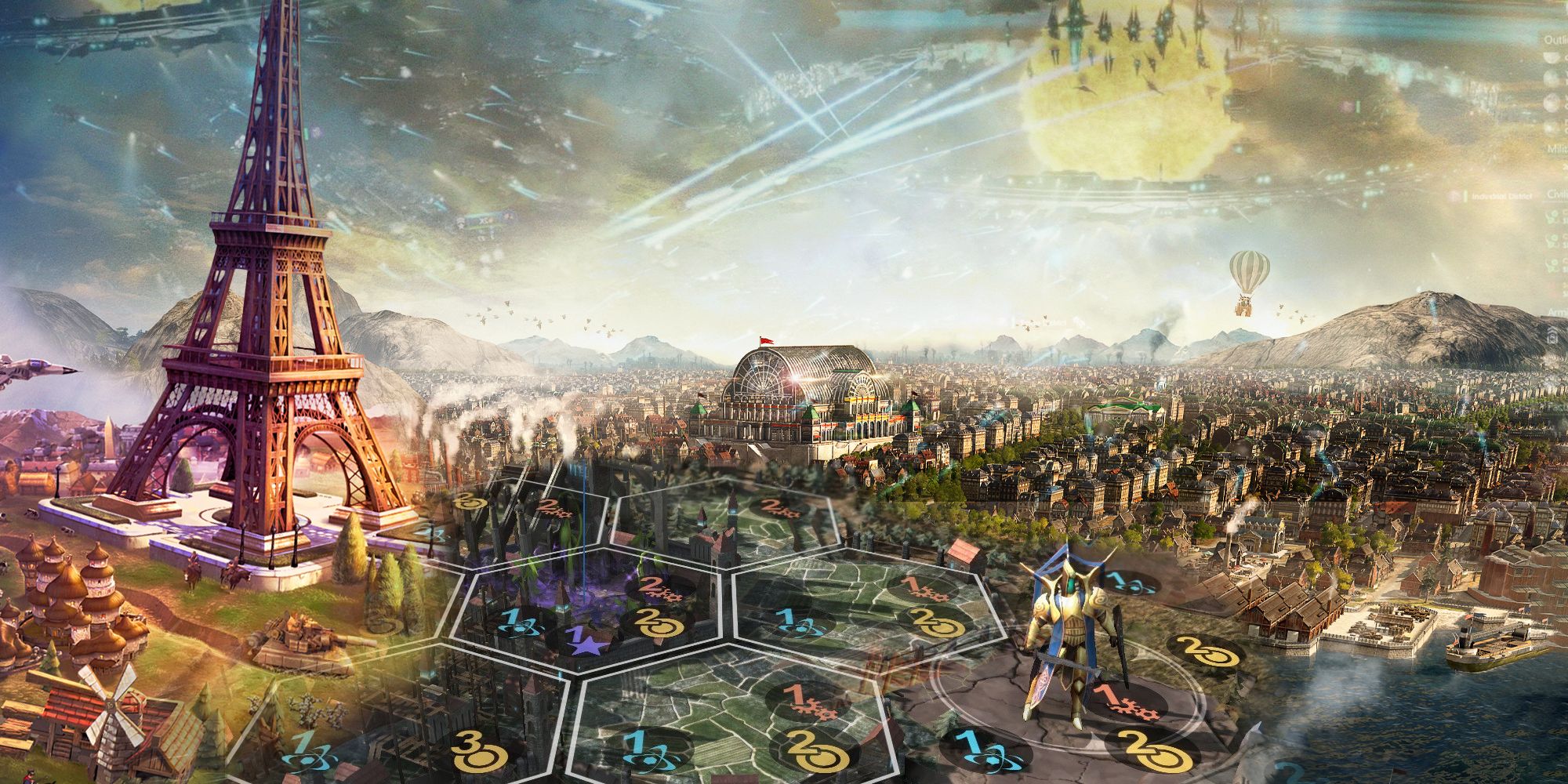
Combat is punishing but fair. Flanking grants bonus damage. Overwatch lets units react to enemy movement. Critical hits can turn the tide—or end a run.
Pro Tip: Don’t overlevel. Soldiers gain only a few stats per level. Focus on ability unlocks instead. A Ranger with Double Tap at level 6 is more useful than a maxed-out grunt with no perks.
---
Top 5 Strategy Games You Should
Play in 2024
| Game | Type | Why It Stands Out |
|---|---|---|
| Crusader Kings III | Grand Strategy | Deep character-driven gameplay; dynasties matter more than borders |
| Total War: Warhammer III | Turn-Based + Real-Time | Massive fantasy battles with strategic campaign depth |
| Age of Empires IV | Real-Time Strategy | Modern take on a classic, with strong historical flavor |
| Stellaris | Grand Strategy | Space exploration, alien empires, and endless emergent stories |
| Into the Breach | Tactical | Short, tight battles where every action has consequence |
Each of these games offers a distinct flavor of strategic thinking. Into the Breach is brilliant for players with limited time—battles last 10–15 minutes. Stellaris is the opposite: campaigns can span weeks.
---
Strategy Game Pitfalls (And How to Avoid Them)
Even experienced players fall into traps. Recognizing them is half the battle.
- Overexpansion: Growing too fast leads to unrest, economic collapse, or undefended borders. Slow and steady often wins.
- Ignoring Diplomacy: In grand strategy games, allies are force multipliers. A single alliance can deter aggression or open new fronts.
- Micromanaging Everything: Automate where possible. Use governors, AI advisors, or default build queues to save mental bandwidth.
- Chasing Victory Conditions Blindly: If the AI is ahead in science, switching to cultural victory might be smarter than doubling down.
- Neglecting Defense: Offense wins games, but defense keeps you in them. Fortify borders, set up buffer states, and always have a fallback.
---
The Future of PC Strategy Games
Strategy isn’t trending toward simplicity—it’s embracing complexity with smarter design. Newer titles use AI-driven narratives, dynamic events, and adaptive difficulty to keep players engaged.
Games like Humankind experiment with hybrid progression, letting you mix cultural eras (play as Victorian Egyptians, for example). Others, like Distant Worlds 2, simulate entire galaxies with autonomous empires making their own decisions.
Mod support remains critical. The Vic2-to-EU4 converter or Civ 6’s moddable leaders prove that community input shapes the genre’s evolution.
And with cloud saves, cross-platform play, and improved onboarding, strategy games are becoming more accessible—without sacrificing depth.
---
Master Strategy, One Game at a Time
The best PC strategy games don’t just entertain—they train your mind. They teach resource management, risk assessment, and long-term planning. Whether you're outmaneuvering foes in StarCraft II, outlasting dynasties in Crusader Kings III, or surviving one tactical skirmish at a time in XCOM 2, the challenge is real and the payoff greater.
Start with one game that matches your pace. Love fast action? Try Age of Empires IV. Prefer slow-burn empire building? Dive into Stellaris. Then expand your repertoire.
The battlefield isn’t just on screen—it’s in your decisions. Pick your strategy, refine your play, and own the outcome.